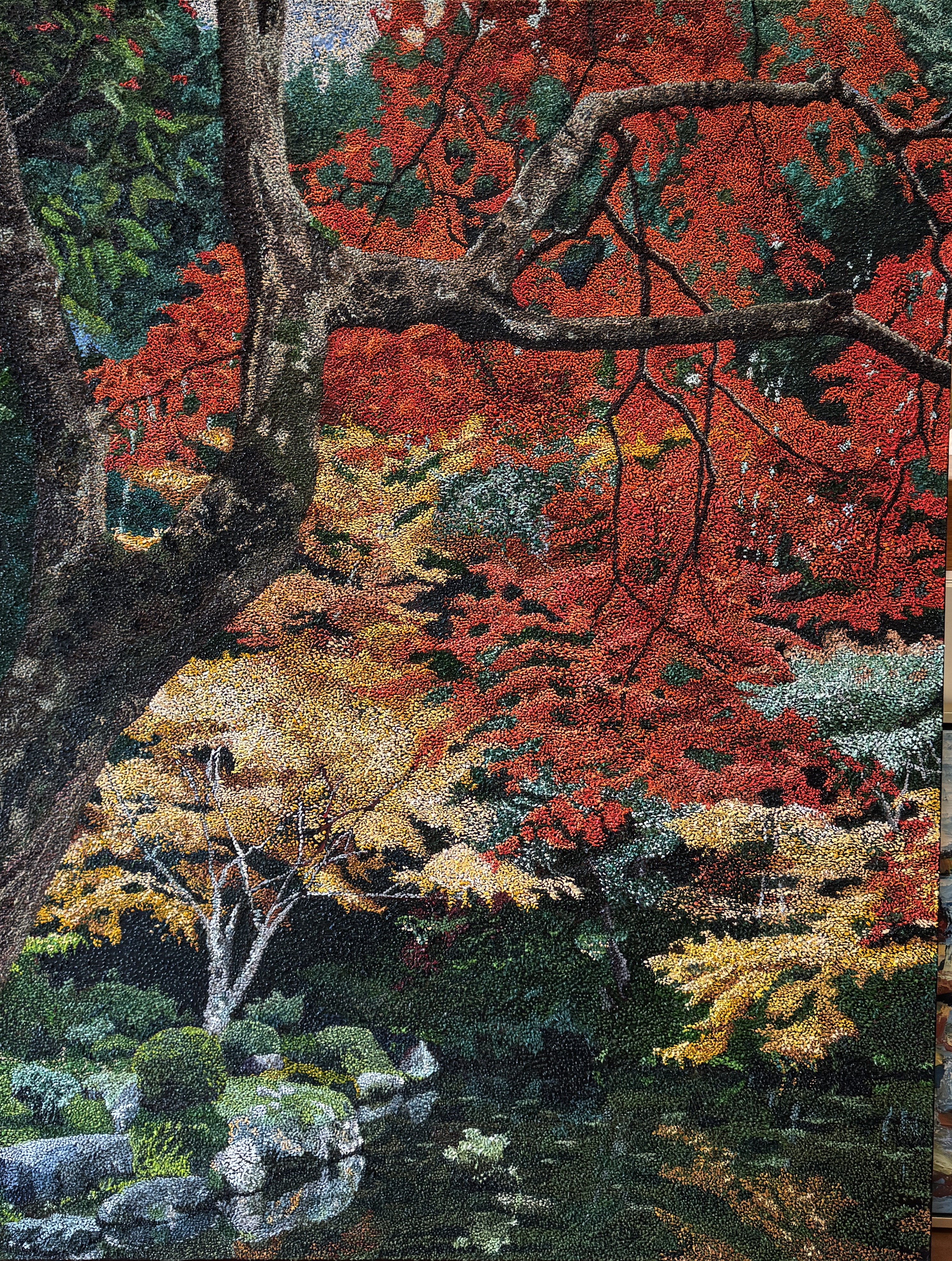
Where texture, color, and emotion come together to reveal moments of reflection and connection.
Nenad Zaric's work explores the relationship between nature, memory, and human emotions. Through textured landscapes and expressive compositions, he captures the quiet power, beauty, and resilience found in the natural world.
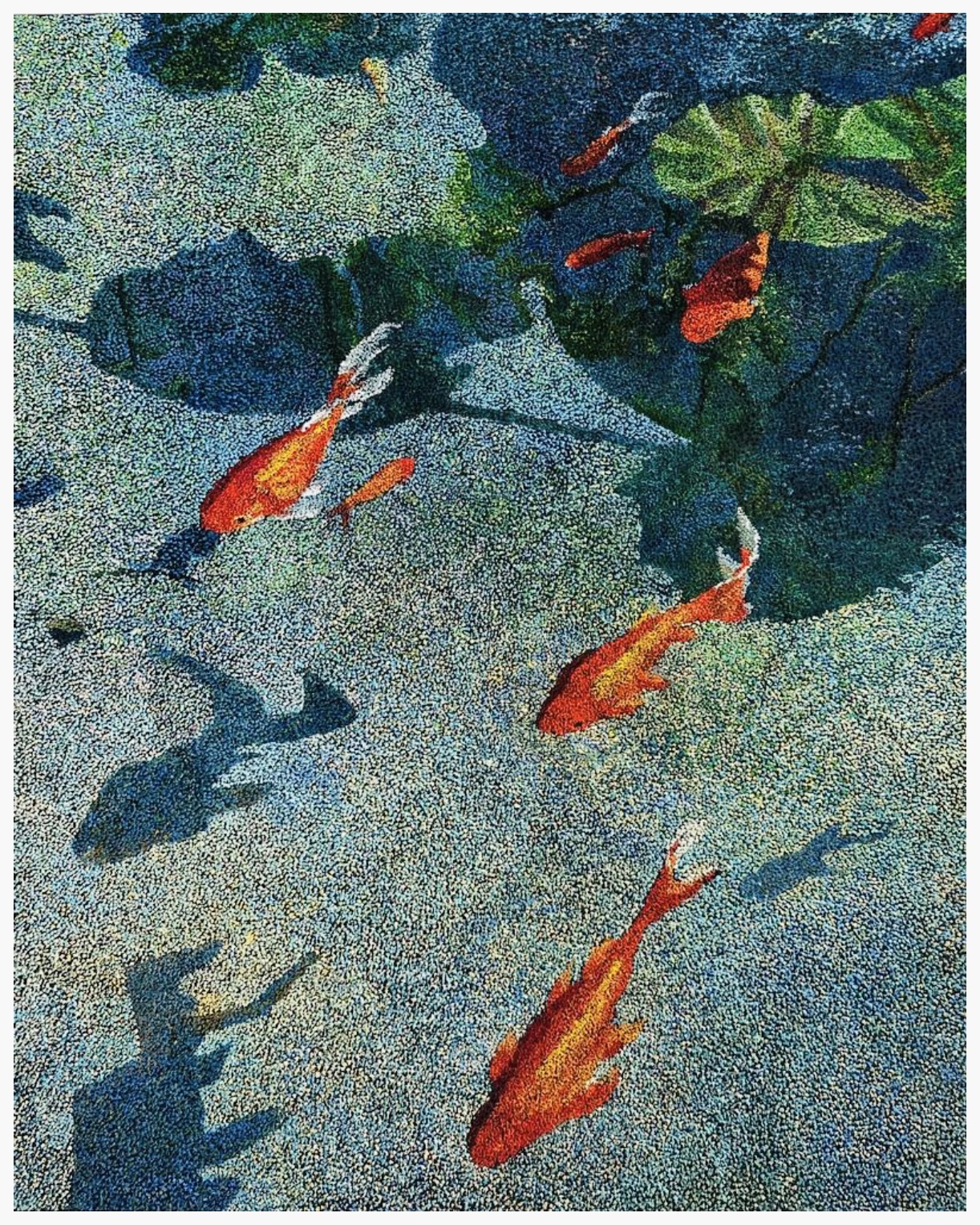
Nenad Zaric is a graduate of University of Fine Arts, Belgrade. A painter of great emotional range and expressive depth, his works carry the weight of personal memory, cultural trauma, and the enduring presence of nature. His artistic journey began as a response to a turbulent history, the dissolution of Yugoslavia and the brutal conflicts that followed in the 1990s. As a child witnessing destruction and upheaval, Zaric found a necessary refuge in painting. Over the years, this refuge matured into a powerful visual language that engages with the complexities of human consciousness, historical inheritance, and spiritual resilience. In his new series, through layers of oil paint, Zaric animates his canvases with texture and meaning, summoning the regenerative spirit of nature. Works like The Garden series evoke images of diversity within nature and beautiful blends, causing viewers to pause, reflect, and perhaps question their desire to explore and break away from daily routines. Zaric holds a deep reverence for nature’s ability to heal and renew. His landscapes, drawn from visual memory and subconscious associations, are universal in tone, inspired by the essential elements: Air, Water, and Earth. His curiosity and his refusal to remain static has urged him to experiment and reinvent. In his most recent cycle, Zaric once again shifts direction, this time into the lyrical world of richly colored landscapes. Remaining loyal to figurative expression, he now turns to places that evoke serenity and timelessness: Japanese gardens, hidden corners of nature that invite contemplation and retreat. These new works embrace the beauty of painterly realism, echoing the techniques and spirit of 19th-century landscape master’s while infusing them with contemporary sensibility. This new body of work is distinguished by the use of the stipple painting method - a labor-intensive technique in which the artist applies thick deposits of paint in small, precise dots. The result is a tactile surface, almost mosaic-like in effect. As the viewer steps back, the multitude of color points blend into a cohesive image, yet up close the texture reveals itself as a vibrant, dynamic tapestry of pigment.